AI-Based Detection of Skin Metastases for Therapy Monitoring and Molecular Resistance Analysis
01.04.2026Interdisciplinary Cooperation Project (since 04/2026)
Description:
In patients with advanced skin cancer whose skin metastases can no longer be removed surgically, drug therapies such as immunotherapy are used. However, metastases often respond divergently: while some regress, others persist or new ones appear. The success of the therapy is currently assessed by physicians manually comparing follow-up photographs, which is subjective and complicated by varying camera angles, patient positioning, and image sections. Computer-aided detection and measurement of skin metastases offers the possibility of objectively monitoring the therapy response based on standardized criteria, so that ineffective therapies can be identified earlier and patients can be switched to more promising alternatives in time. In addition, responding and non-responding metastases identified within the same patient are compared at the molecular level to uncover mechanisms of therapy resistance. Within the scope of this project, an AI-based computer vision approach will be developed to improve therapy monitoring for aggressive skin cancers such as melanoma and Merkel cell carcinoma and to pave the way for new treatment approaches.
Project management:
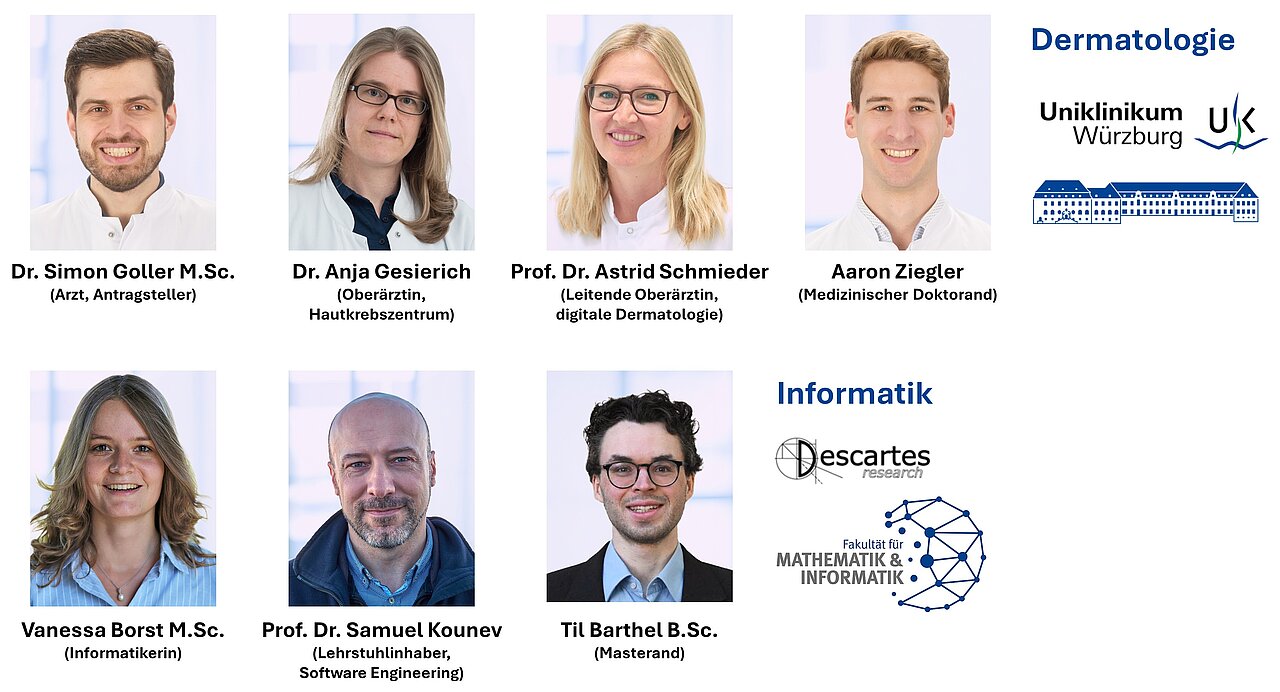
- UKW Würzburg: Dr. med. Simon Goller, Dr. med. Anja Gesierich, Prof. Dr. med. Astrid Schmieder
- SE Group: Vanessa Borst, Til Barthel, Prof. Dr. Samuel Kounev
Project Start: April 2026
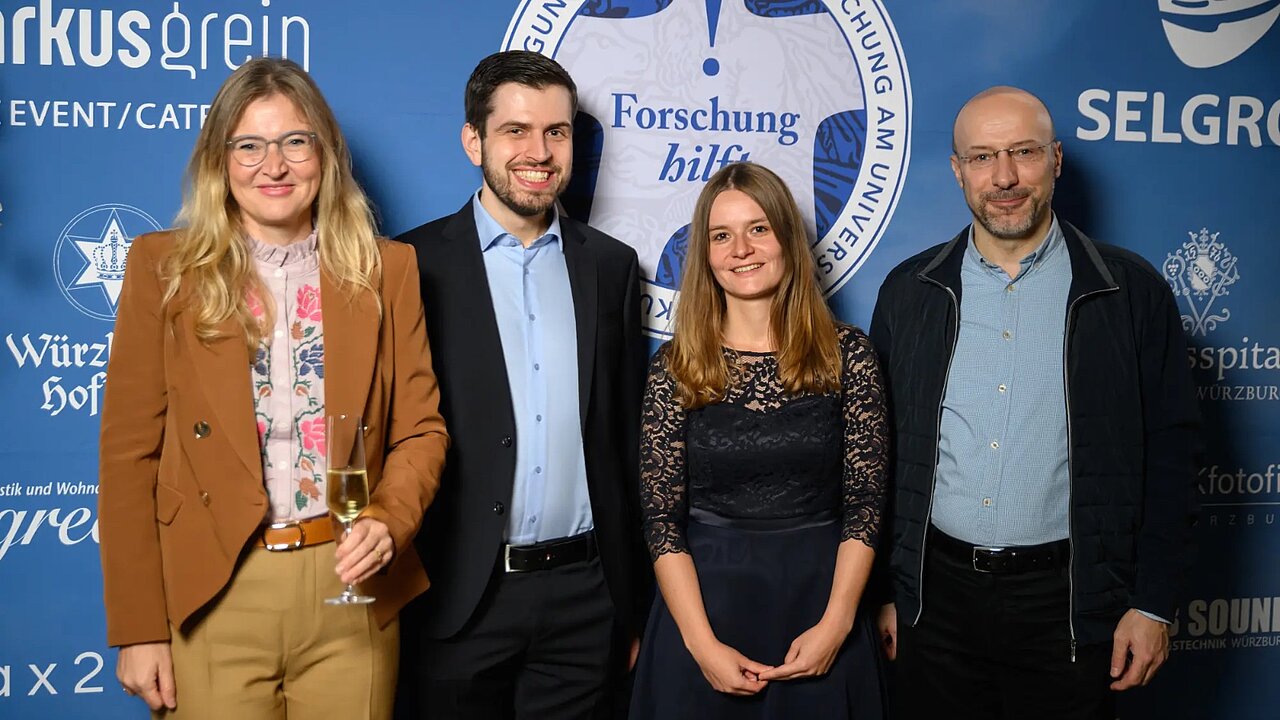
Project Details: Forschung hilft
Weitere Bilder
Zurück